Inventors who changed the world: from Ada Lovelace to the Web
A mathematician who imagined programming in 1843, a scientist who gave the Web to the world in 1991: I discover what makes an inventor and I report what they said in reported speech.
Reported speech · probability
To report what people said: said that, asked if, told me to. For probability: must (almost sure), may / might (maybe), can't (impossible). Tap the cards.
My words → tap a card: it turns over and I hear the word
Culture → British inventors and the digital revolution
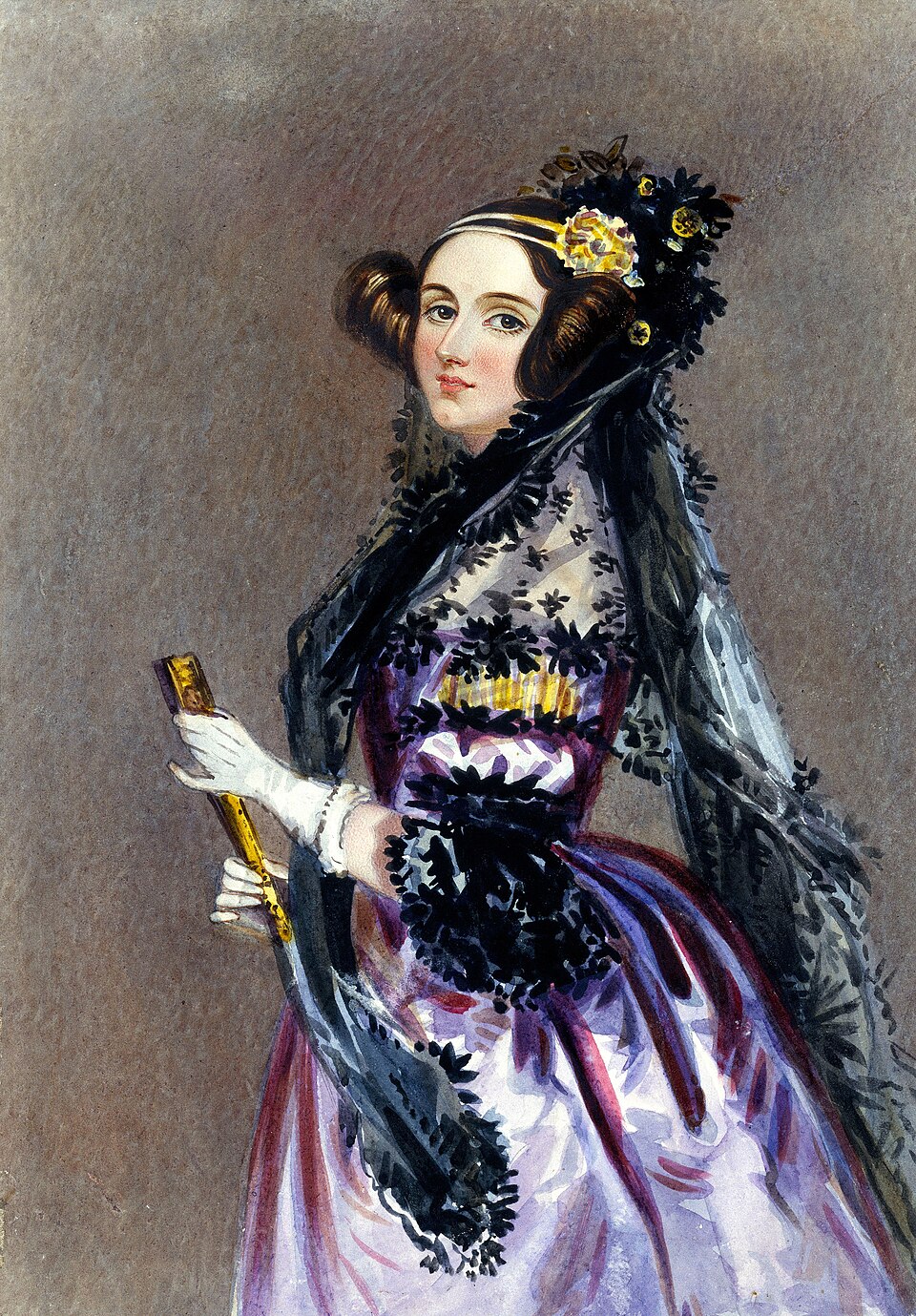
Ada Lovelace (1815-1852), the daughter of the poet Lord Byron, loved mathematics. In 1843, she published notes on the Analytical Engine imagined by Charles Babbage and described a list of instructions to calculate numbers: people often see her as the first person who wrote a computer program. She even imagined that the machine could one day compose music.
Alan Turing (1912-1954) laid the foundations of the computer and helped to break the German messages coded by the Enigma machine during the Second World War. He was persecuted because he was gay; he was later pardoned, and since 2021 he has been on the £50 note.
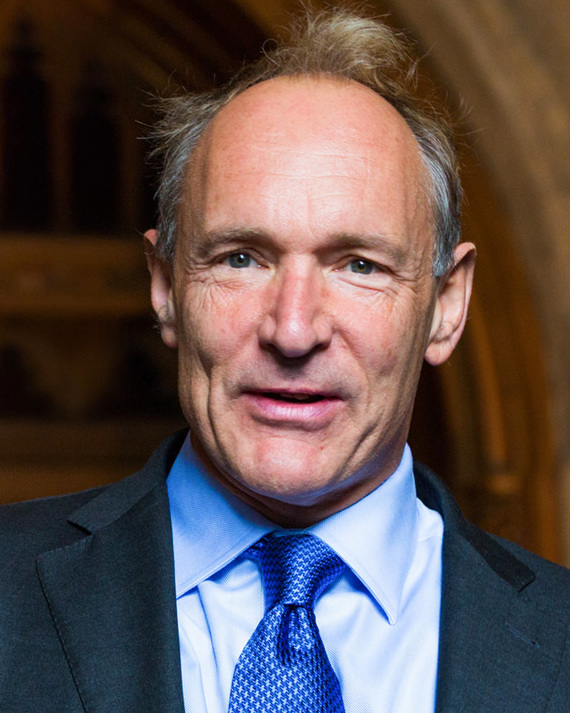
In 1989, at CERN, near Geneva, the British scientist Tim Berners-Lee suggested a system to share documents between computers: the World Wide Web. The first website went online in 1991, and in 1993 CERN made the technology free for everyone.
Did you know? → tap a card
I listen → the birth of the Web
Listen. Write down where and when the Web was invented, and what Berners-Lee wanted. Find three sentences in reported speech.
I watch
Video: “A brief history of the World Wide Web” · channel CERN · watch on YouTube. The video only loads when you tap (youtube-nocookie player).
- Write down three dates from the video.
- Write down the problem the Web had to solve.
- Report one sentence from the video in reported speech: The video said that…
The lessons in this learning journey (6)
- What is an inventor? Brainstorming and timeline.
- Ada Lovelace: the first programmer?
- Tim Berners-Lee and the World Wide Web (CERN video).
- Grammar: reported speech.
- The future of inventions: may, might, must, can't.
- Final task: an imaginary interview with an inventor.
- “Good morning! Can you tell us…?”
- “What did you invent?”
- “She said that… / He said that…”
- “She explained that…”
- “He told me that…”
For the teacher → goals and official curriculum
- Theme 4 “Inventing, innovating, creating” → topics: genius at work, the figure of the inventor; the digital revolution and social change. 2020 theme: languages (computer language).
- Understand a biography and an official video; report what people said; make guesses about the future.
- Grammar: from direct speech to reported speech (He said that…, She asked if…); modals of probability (may, might, must, can't).
- Final task: an imaginary interview with an inventor, then a report in reported speech.
Texts and materials: A portrait of Ada Lovelace by Chalon (about 1840); the CERN video “A brief history of the World Wide Web”; a timeline of British inventions.
Theme 4 “Inventing, innovating, creating”. Source: French national curriculum for modern languages, cycle 4, BO no. 31 of 30 July 2020 (in force in 4e in 2026-2027); matching theme of the English curriculum, BO no. 22 of 29 May 2025, which will apply in 4e from September 2027.
Fill in and choose
Match each inventor with their invention
Tap an item in the first column, then its partner in the second.
must, might or can't?
Tap a word, then the right box.
Worksheet to fill in (paper or ENT)
The same learning journey, to print or to put on the ENT. For a PDF, choose “Save as PDF” in the print window.