Thanksgiving and Juneteenth: stories behind American holidays
A meal in 1621 that became a national holiday, news of freedom in Texas in 1865: I discover the history of two American holidays and I talk about my plans.
Holiday videos → tap a picture to watch on YouTube


Culture → two holidays, two American stories
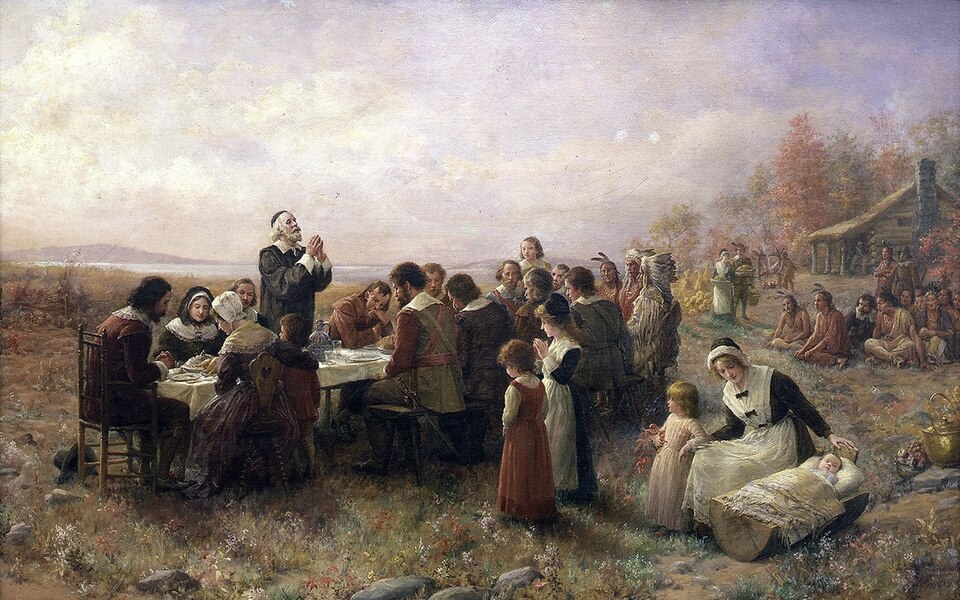
In 1620, English settlers, the Pilgrims, arrived on the Mayflower and founded Plymouth, in today's Massachusetts. In autumn 1621, they shared a harvest meal with about 90 men of the Wampanoag nation and their leader Massasoit. In 1863, during the Civil War, President Lincoln made Thanksgiving a national holiday; it is on the fourth Thursday in November.
The 1914 painting is a dream picture: the clothes and headdresses are not what people really wore in 1621. For many Native Americans, Thanksgiving also reminds them that they lost their land: some call it the “National Day of Mourning”.
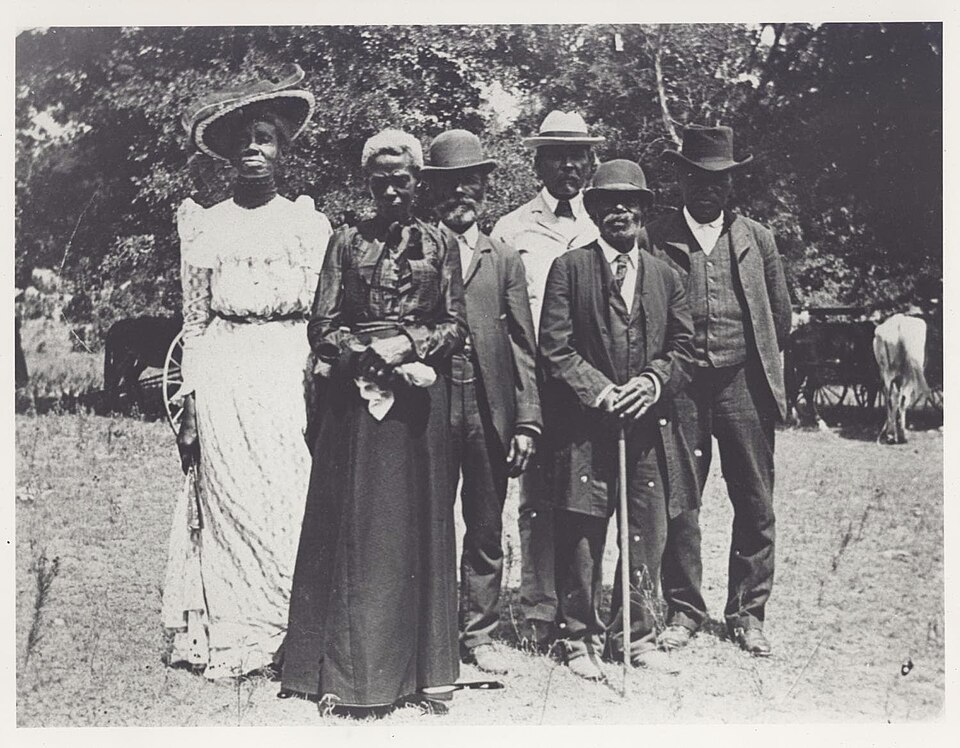
On 19 June 1865, in Galveston, Texas, General Granger announced that enslaved people were free, more than two years after the Emancipation Proclamation. Since then, African Americans have celebrated this date, Juneteenth, like here in Austin in 1900; it became a federal holiday in 2021.
Did you know? → tap a card
Talking about the future
be going to for a plan you have decided, will for a prediction or a decision you make now. Tap the cards.
My words → tap a card: it turns over and I hear the word
I listen → Thanksgiving plans
Listen. Where is the family going? Who is cooking what? Find two examples of be going to and two of will.
I watch
Video: “Did You Know: Juneteenth” · channel Encyclopaedia Britannica · watch on YouTube. The video only loads when you tap (youtube-nocookie player).
- Write down two dates and one place.
- Write down one word about freedom.
- Write a sentence: On Juneteenth, people celebrate…
I compare with the UK
Video: “Harvest Festival: What is it?” · channel BBC Newsround · watch on YouTube. The video only loads when you tap (youtube-nocookie player).
- Write down what British people celebrate at the end of summer.
- Compare with Thanksgiving in one sentence.
The lessons in this learning journey (6)
- Holidays in the USA: calendar and dates.
- The story of Thanksgiving: 1621, the Pilgrims and the Wampanoag.
- Myth and history: look at a 1914 painting.
- Juneteenth: 19 June 1865, freedom in Texas.
- Grammar: what are you going to do? will / be going to.
- Final task: present a family's plans for a holiday (real or imaginary).
- “On Thanksgiving, the family is going to…”
- “First, they are going to…”
- “They will…”
- “In the evening, …”
- “It’s going to be…”
For the teacher → goals and official curriculum
- Theme 5 “Languages, places and stories” → topic: heritage and stories, Thanksgiving and Juneteenth in the United States.
- Understand the history of a holiday; tell myth from history; talk about plans.
- Grammar: the future with will and be going to; dates and years; past simple (revision).
- Think: what do people celebrate, and who tells the story?
Texts and materials: Jennie A. Brownscombe, The First Thanksgiving at Plymouth (1914); a photo of an Emancipation Day celebration in Austin (1900); videos by Britannica and BBC Newsround.
Theme 5 “Languages, places and stories”. Source: French national English curriculum for lower secondary school, decree of 5 May 2025, BO no. 22 of 29 May 2025 (in force in 5e from September 2026).
Fill in and choose
Match each date with its event
Tap an item in the first column, then its partner in the second.
Thanksgiving or Juneteenth?
Tap a word, then the right box.
Worksheet to fill in (paper or ENT)
The same learning journey, to print or to put on the ENT. For a PDF, choose “Save as PDF” in the print window.