Faces of history: the National Portrait Gallery
A queen covered in pearls, a poet with an earring: I describe famous portraits and I write a portrait in words (me or a character).
Describe a portrait
To describe a painting, I say where (in the foreground…), who, what the person is wearing (be + -ing) and how the person looks. Tap the cards.
My words → tap a card: it turns over and I hear the word
Culture → the National Portrait Gallery and royal portraits
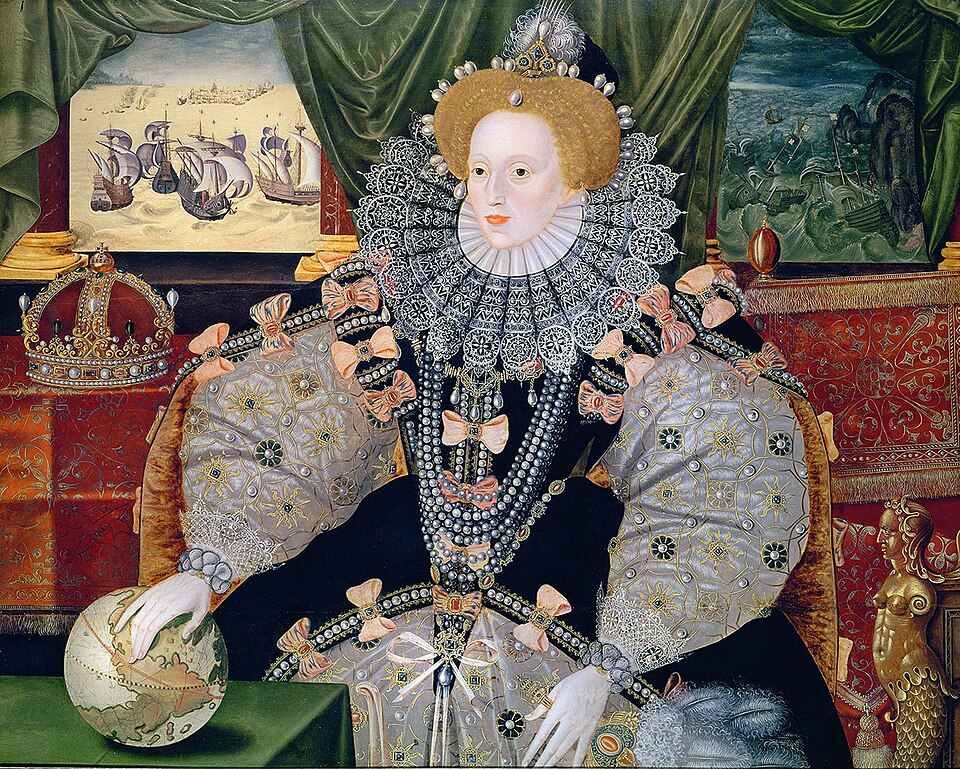
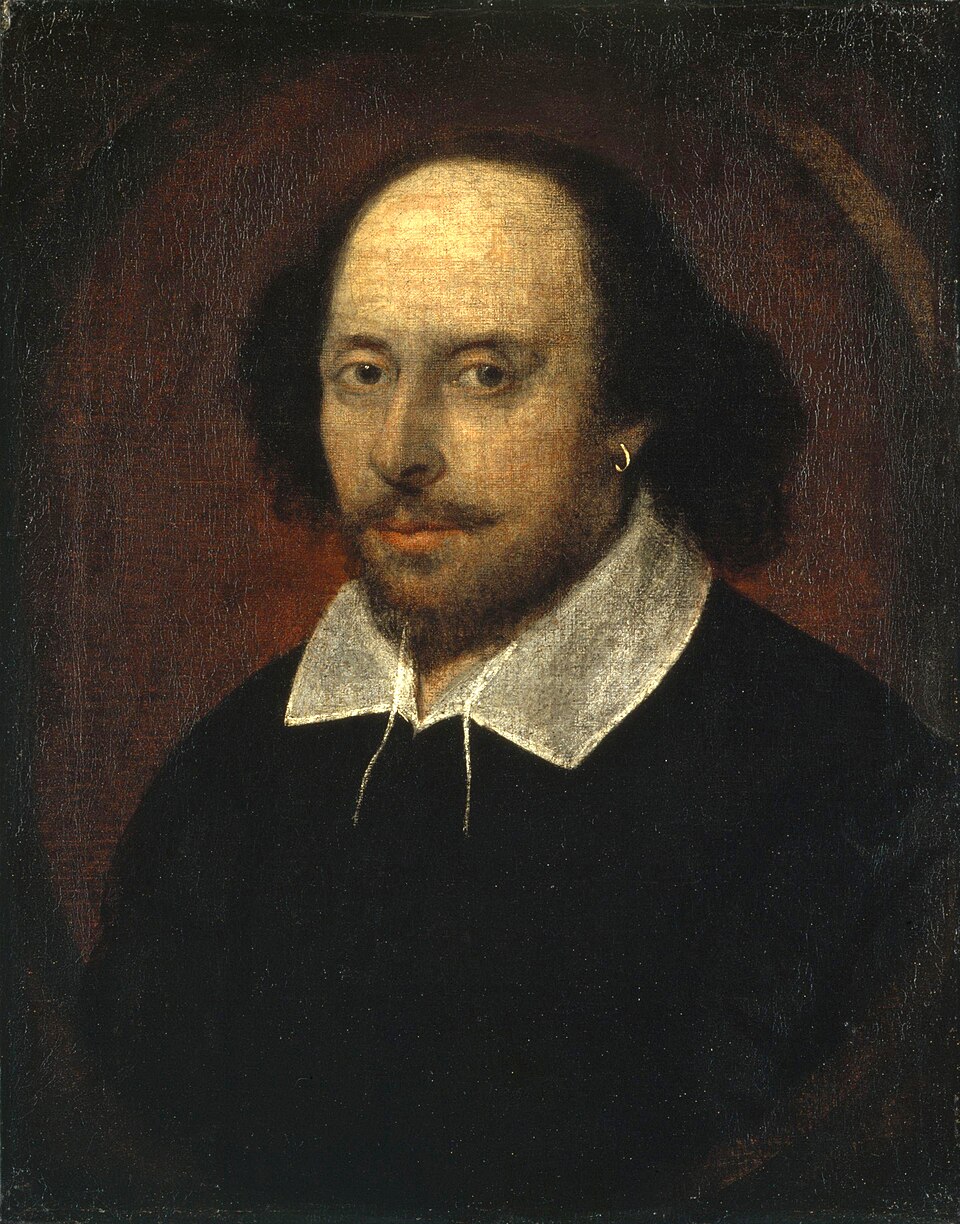
The National Portrait Gallery opened in London in 1856. It shows portraits of the people who made British history: kings and queens, writers, scientists, sportspeople, musicians. Its first painting is the Chandos portrait, which probably shows William Shakespeare (1564-1616).
The Armada Portrait of Elizabeth I celebrates the English victory over the Spanish Armada in 1588. Everything is a message: her hand on the globe shows England's power on the seas, the pearls are a symbol of purity, the ships tell the story of the battle. There are three versions of this painting.
Today, official portraits of the royal family are still carefully planned: clothes, background, the way the person looks at us, everything tells us something about the person's role.
Did you know? → tap a card
I listen → describe the Armada Portrait
Listen without reading. Draw where the Queen, the globe and the ships are. Then check with the script.
I listen → William Shakespeare, Sonnet 18 (1609), first lines
Listen. What does the poet compare the person he loves to? Why is a portrait in words stronger than a painting?
I watch
Video: “Encountering the Queen: Portraits of Elizabeth I” · channel National Portrait Gallery · watch on YouTube. The video only loads when you tap (youtube-nocookie player).
- Write down three objects or clothes you can see in the portraits.
- Write down one adjective used to describe the Queen.
- Write a sentence with In the foreground… She is wearing…
The lessons in this learning journey (6)
- What does she look like? Words for faces and clothes.
- Describe the picture: the Armada Portrait.
- The National Portrait Gallery: a museum of faces (video).
- Shakespeare's portrait and Sonnet 18: a portrait in words.
- Grammar: she is wearing / she has got / she looks…
- Final task: a portrait in words, in five sentences: me or a character (or a picture with captions).
- “This is a portrait of…”
- “She is wearing… / He is wearing…”
- “He has got…”
- “She looks…”
- “In the background, there is…”
For the teacher → goals and official curriculum
- Theme 1 “Portraits and self-portraits” → topic: the National Portrait Gallery, British history in pictures; writing about yourself and other people (poetry).
- Describe a portrait: appearance, clothes, attitude, background; give your opinion.
- Grammar: be + -ing to describe a picture (she is wearing), has got, look + adjective; say where things are in the picture (in the foreground, at the top, on the left).
- Link with theme 6 “The United Kingdom”: the royal family in pictures.
Texts and materials: The Armada Portrait of Elizabeth I (about 1588); the Chandos portrait of Shakespeare; Shakespeare, Sonnet 18; a video by the National Portrait Gallery.
Theme 1 “Portraits and self-portraits” (link with theme 6). Source: French national English curriculum for lower secondary school, decree of 5 May 2025, BO no. 22 of 29 May 2025 (in force in 5e from September 2026).
Fill in and choose
Match each phrase with its place in the painting
Tap an item in the first column, then its partner in the second.
Appearance (look like) or personality (be like)?
Tap a word, then the right box.
Worksheet to fill in (paper or ENT)
The same learning journey, to print or to put on the ENT. For a PDF, choose “Save as PDF” in the print window.