Brevet anglais : comprendre un texte et écrire 50 à 80 mots (Chicago summer jobs)
L'épreuve écrite de langue vivante concerne les candidats individuels : 1 h 30, un texte de 200 mots au plus (10 points) puis une production écrite de 50 à 80 mots (10 points). Les élèves de troisième sont évalués en langue en contrôle continu, mais cette fiche entraîne tout le monde.
Reading strategies
Quatre stratégies pour comprendre un texte en anglais. Touche les cartes.
Document → A summer to remember
My name is Maya and I am sixteen. I live on the South Side of Chicago with my mother and my two little brothers.
Last summer, I got my first real job thanks to a city program which offers summer jobs to young people. I worked in a community garden for six weeks.
Every morning, I took the train at seven o'clock. At first, I hated waking up so early! We planted tomatoes, watered the vegetables and sold them at a farmers' market on Saturdays.
My supervisor, Mr Johnson, was strict but fair. He taught me how to speak to customers and how to count money quickly.
With my first paycheck, I bought a laptop for school. I also saved some money for college, because I want to study environmental science.
If I hadn't had this job, I would have spent the whole summer on my phone. Now I know that hard work pays off, and next summer I will apply again.
Texte original GEREX (environ 160 mots), écrit pour l'entraînement.
Questions (10 points)
- How old is Maya and where does she live? (1 point)
- How did she get her job? (1 point)
- Where did she work and for how long? (2 points)
- Find two things she did at work. (2 points)
- What did she buy with her first paycheck? (1 point)
- Why is she saving money? (1 point)
- Find a sentence which shows she has changed. Explain in French. (2 points)
Civilisation → summer jobs for teens in Chicago

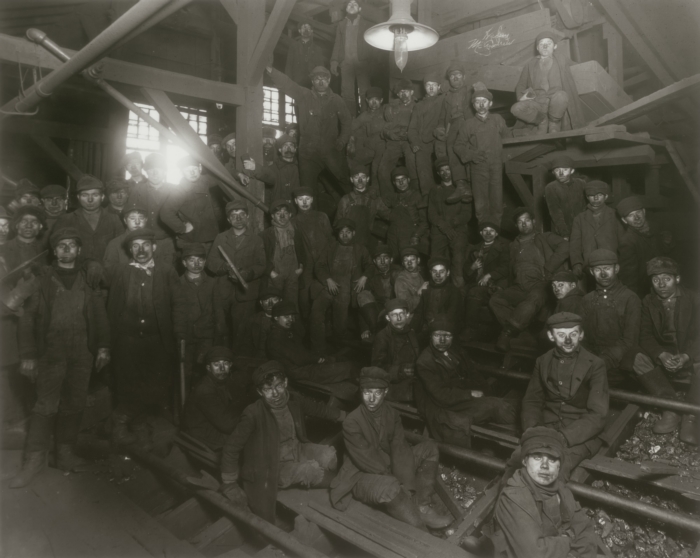
Chicago offers summer jobs and activities to thousands of young people each year: gardens, day camps, offices, museums.
A century ago, children worked in mines and factories. Today, teen jobs are limited by law and must be safe.
Did you know? → tap a card
I listen to the text
Listen once without reading, then with the text. Note three verbs in the past.
I watch
Video: “Chicago launches youth summer jobs, activities program” · channel WGN News · watch on YouTube. The video only loads when you tap (youtube-nocookie player).
- Watch without sound: guess the topic.
- Watch with sound: note two numbers.
- Compare with Maya's story in French.
The lessons in this learning journey (3)
- Lire le texte : stratégies (titre, mots transparents, connecteurs).
- Répondre aux questions de compréhension.
- Écrire le mail de 50 à 80 mots et s'autoévaluer.
For the teacher → goals and official curriculum
- Comprendre un texte authentique ou adapté de 200 mots au plus : idée générale et détails.
- Repérer temps, connecteurs et opinions.
- Écrire un mail de 50 à 80 mots en réponse à une consigne.
- Niveau visé en fin de 3e : A2 dans toutes les activités langagières, B1 dans certaines.
Texts and materials: Texte original GEREX inspiré des programmes municipaux d'emplois d'été pour les jeunes à Chicago ; reportage WGN News.
Règles citées : BO spécial n°4 du 17 septembre 2026, note de service du 11 septembre 2026 « Définition des épreuves du diplôme national du brevet à compter de la session 2027 » (MENE2623228N), note « Exigences en matière de maîtrise de la langue » (MENE2623195N) et note « Modalités d'attribution » (MENE2623194N). Programme de langues vivantes du cycle 4 (BO n°31 du 30 juillet 2020).
I practise reading
Match the words and their meaning
Tap an item in the first column, then its partner in the second.
Past or future?
Tap a word, then the right box.
Ma rédaction et ma grille
Worksheet to fill in (paper or ENT)
The same learning journey, to print or to put on the ENT. For a PDF, choose “Save as PDF” in the print window.